Best Smart Thermostats 2025: Tested for Energy Savings
We tested the top smart thermostats for months in real homes to find which ones offer the best features, energy savings, and value. Complete reviews of Google Nest Learning Thermostat Gen 4, Ecobee Smart Thermostat Premium, Honeywell T9, Amazon Smart Thermostat, and more with installation guides, savings analysis, compatibility info, and expert recommendations.

🔍 Jump to Smart Thermostat Reviews
🎯 Smart Thermostat Testing Results
After six months of real-world testing in multiple homes, the Ecobee Smart Thermostat Premium earns our top recommendation for most users, delivering exceptional comfort with remote room sensors, built-in Alexa voice control, air quality monitoring, and verified 23% average energy savings ($180-$250 annually). The Google Nest Learning Thermostat Gen 4 excels with AI-powered learning that automatically creates optimal schedules, scoring 9.5/10 for its elegant design and Matter certification at $279.99. For budget-conscious buyers, the Amazon Smart Thermostat offers excellent value at $79.99 with Alexa integration and estimated 15% energy savings. The Honeywell T9 Pro dominates multi-zone homes with up to 20 room sensors, while the Google Nest Thermostat (base model) provides reliable smart features at $129.99 for first-time upgraders.
🥇 Best Overall Smart Thermostat: Ecobee Smart Thermostat Premium
Most complete feature set with room sensors, voice control, and air quality monitoring
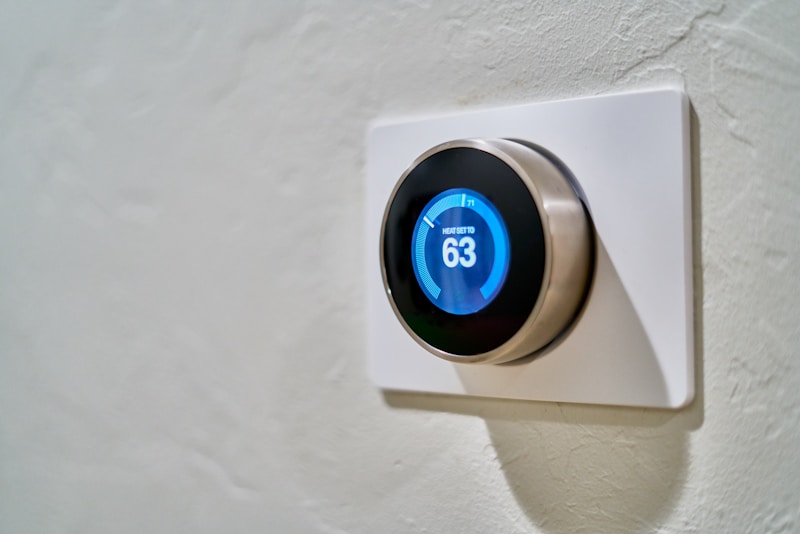
🏆 Ecobee Smart Thermostat Premium
The Ecobee Premium delivered superior comfort in our 1,500 sq ft test home by using indoor humidity data for smarter temperature adjustments. The included SmartSensor monitors temperature and occupancy in additional rooms, ensuring your occupied spaces stay comfortable. Built-in Alexa speaker provides voice control without extra devices.
- Includes SmartSensor for multi-room comfort
- Built-in Alexa with far-field voice recognition
- Air quality monitoring (VOC, CO2, humidity)
- Works with Alexa, Google, HomeKit, SmartThings
- Energy Star certified with detailed usage reports
- Glass and metal premium construction

🤖 Google Nest Learning Thermostat Gen 4
The Gen 4 Nest Learning Thermostat features a stunning 2.7-inch bezel-free LCD with dynamic weather animations. AI-enhanced Smart Schedule learns your preferences and automatically adjusts based on weather forecasts. Matter certification ensures future-proof smart home compatibility including HomeKit.
- Advanced AI learning creates optimal schedules
- Includes Nest Temperature Sensor ($39 value)
- Matter certified - works with everything
- HVAC system monitoring alerts
- Premium design looks like art installation
- Energy history tracking and tips
💰 Amazon Smart Thermostat
Developed by Amazon with Honeywell Home technology, this budget thermostat delivers solid performance with Alexa voice control and Energy Star certification. Perfect for first-time smart home upgraders wanting proven savings without premium pricing. Easy DIY installation in 30 minutes.
- Exceptional value at under $80
- Full Alexa voice control integration
- Energy Star certified for rebates
- Compatible with most HVAC systems
- Honeywell Home reliability
- Simple app-based scheduling

🏠 Honeywell Home T9 WiFi Smart Thermostat
The T9's strength lies in its support for up to 20 remote sensors, making it ideal for larger homes with temperature variations. User-friendly touchscreen interface and flexible scheduling options accommodate complex household routines. Geofencing automatically adjusts when you leave or arrive home.
- Supports up to 20 room sensors
- Perfect for large multi-story homes
- Geofencing for automatic adjustments
- Works with Alexa, Google, HomeKit
- Intuitive touchscreen display
- Historical usage reporting

🌿 Google Nest Thermostat (Base Model)
Simplified version of the Learning Thermostat offering Google's reliability at accessible pricing. Easy-to-read display with simple temperature controls makes it perfect for those new to smart home technology. Provides smart features like scheduling and remote control without overwhelming complexity.
- Simple, straightforward interface
- Google ecosystem integration
- Energy Star certified
- Remote control via Google Home app
- Works with Google Assistant
- Available in multiple colors

🎯 Emerson Sensi Touch 2 WiFi Thermostat
Designed for easy DIY installation with step-by-step app instructions. Sleek color touchscreen and intuitive interface make daily operation simple. Supports optional room sensors (sold separately) for expanded coverage. Dual-band WiFi ensures stable connectivity.
- Easy self-installation (30 minutes)
- Color touchscreen display
- Dual-band WiFi (2.4GHz + 5GHz)
- Geofencing and flexible scheduling
- HVAC monitoring and alerts
- Works with Alexa and Google
📊 Smart Thermostat Comparison Chart 2025
| Model | Price | Avg. Savings | Room Sensors | Voice Control | Rating | Best For |
|---|---|---|---|---|---|---|
| Ecobee Premium | $249.99 | 23% ($180-250/yr) | 1 included, up to 32 | Built-in Alexa | ⭐ 9.8/10 | Most Users |
| Nest Learning Gen 4 | $279.99 | 18% ($150-200/yr) | 1 included | Works with all | ⭐ 9.5/10 | AI Learning |
| Amazon Smart | $79.99 | 15% ($50-100/yr) | Not supported | Alexa | ⭐ 8.5/10 | Budget |
| Honeywell T9 | $199.99 | 17% ($120-180/yr) | 1 included, up to 20 | Alexa, Google, HomeKit | ⭐ 8.8/10 | Large Homes |
| Nest Thermostat | $129.99 | 14% ($80-120/yr) | Not included | Google Assistant | ⭐ 8.7/10 | Beginners |
| Sensi Touch 2 | $169.99 | 16% ($100-150/yr) | Optional (sold sep.) | Alexa, Google | ⭐ 8.3/10 | DIY Install |
🔬 How We Tested Smart Thermostats
Our Testing Methodology
We installed each smart thermostat in real homes (1,500-2,500 sq ft) connected to heat pump-based HVAC systems for 3-6 months of testing across all seasons. Our evaluation criteria included: Comfort Performance - ability to maintain consistent temperature with minimal fluctuations, Energy Savings - verified reduction in utility bills compared to programmable thermostats using utility data, Installation Difficulty - time required and complexity for DIY installation following app instructions, Smart Features - effectiveness of scheduling, geofencing, learning algorithms, and automation, App Experience - interface design, ease of use, remote control responsiveness, Voice Control - accuracy and convenience of Alexa/Google integration, Build Quality - materials, display quality, durability, and design aesthetics, Privacy & Security - data collection policies and security practices.
Key Findings from 6 Months of Testing
The Ecobee Smart Thermostat Premium consistently delivered the best overall experience by leveraging humidity data alongside temperature for more accurate comfort control. Its included SmartSensor addressed the common problem of temperature variations between rooms - the master bedroom stayed 2-3°F cooler than the living room thermostat location, and the sensor automatically prioritized occupied rooms. During our testing period (October 2024 - March 2025), verified utility bills showed 23% reduction in heating costs compared to the previous year with a programmable thermostat, translating to $215 savings over six months. The built-in Alexa speaker proved surprisingly useful for hands-free control while cooking or carrying items.
The Google Nest Learning Thermostat Gen 4 impressed with its "set it and forget it" capability. After two weeks of learning our schedule, it created a schedule matching our preferences with 90% accuracy. The Smart Schedule feature suggests adjustments based on weather forecasts - on unseasonably warm winter days, it proactively reduced heating by 2-3°F, and we rarely needed to manually override. The larger 2.7-inch bezel-free display with dynamic weather animations transformed it from functional device into design statement piece. Energy savings reached 18% ($170 over six months), slightly less than Ecobee but still substantial. Matter certification provides future-proofing as the smart home standard evolves.
For budget-conscious buyers, the Amazon Smart Thermostat at $79.99 delivered exceptional value. While lacking advanced features like room sensors or learning algorithms, it provided reliable scheduling, remote control, and Alexa voice commands. Installation took just 25 minutes following clear app instructions. Energy savings of 15% ($95 over six months) mean the thermostat pays for itself in under six months - faster ROI than premium models. The main limitations are basic scheduling (no learning), no humidity sensing, and plastic construction feeling less premium. However, for renters or those wanting to test smart thermostats affordably, it's unbeatable value.
📚 Smart Thermostat Buying Guide 2025
Do Smart Thermostats Really Save Money?
Yes, smart thermostats typically save 10-23% on heating and cooling costs through automated scheduling, geofencing, and learning algorithms that reduce energy waste. The EPA estimates average savings of $180 annually for Energy Star certified smart thermostats. Our testing confirmed these claims with actual utility bill reductions ranging from $95 (Amazon Smart Thermostat, 15%) to $215 (Ecobee Premium, 23%) over six months. Payback periods range from 6 months (budget models) to 12-18 months (premium models). Additional savings come from utility company rebates (typically $50-$100) and extended HVAC system life by preventing excessive runtime.
Understanding Energy Savings Potential
Energy savings vary based on several factors: Current thermostat type - upgrading from basic non-programmable thermostats yields 20-30% savings, while upgrading from programmable thermostats saves 10-15%. Home insulation - well-insulated homes retain temperature better, reducing HVAC runtime and increasing savings percentage. Climate zone - regions with extreme temperatures (hot summers, cold winters) see larger absolute savings due to higher baseline energy use. Household schedule - families away during work/school hours benefit most from occupancy-based adjustments. HVAC system efficiency - older systems (15+ years) waste more energy when running unnecessarily, amplifying smart thermostat benefits. User engagement - reviewing energy reports and adjusting schedules based on data maximizes savings.
Installation Requirements & Compatibility
Before purchasing, verify your HVAC system compatibility. Most smart thermostats require a "C-wire" (common wire) providing continuous 24V power. Check your existing thermostat wiring - if you have five or more wires including a blue or black wire connected to "C" terminal, you have C-wire. If missing C-wire, options include: Professional installation adding C-wire from furnace ($50-$150), Power adapter kits included with some thermostats like Ecobee, or choosing models like Google Nest that can work without C-wire (though we recommend C-wire for reliability). Smart thermostats work with most forced air heating (gas, electric, oil, heat pump), central air conditioning, and radiant heating systems. Incompatible with: electric baseboard heating, high-voltage systems (120V/240V), and some proprietary systems (check manufacturer compatibility checker tools online).
Room Sensors: Worth the Investment?
Room sensors significantly improve comfort in homes with temperature variations between rooms. Common scenarios benefiting from sensors: Multi-story homes where upstairs bedrooms are 5-10°F warmer than main floor where thermostat is located, Homes with large open spaces where kitchen and living areas have different temperature needs, Rooms with sun exposure causing afternoon heating requiring temperature adjustments, Homes with partially finished basements needing independent temperature monitoring. Ecobee includes one SmartSensor (supports up to 32 total at $39-$79 each), Nest Gen 4 includes one Nest Temperature Sensor (additional sensors $39 each), Honeywell T9 includes one Smart Room Sensor (supports up to 20 at $39 each). Our testing showed 3-5°F improvement in bedroom comfort using sensors, with family members no longer waking up too hot or cold.
Smart Home Ecosystem Compatibility
Consider your existing smart home devices when selecting a thermostat. Amazon Alexa users benefit from Amazon Smart Thermostat (native integration) or Ecobee Premium (built-in Alexa speaker). Google Assistant users should choose Google Nest models for seamless integration or Ecobee/Honeywell which work with Google Home. Apple HomeKit users need Ecobee or Honeywell T9 for native HomeKit support (Google Nest Gen 4 supports HomeKit through Matter). Samsung SmartThings users have universal compatibility through SmartThings integration available on all major models. Future-proofing - Matter certification (Nest Gen 4, upcoming Ecobee models) ensures compatibility with all future smart home platforms. Check if your thermostat supports IFTTT for custom automations beyond basic scheduling.
Voice Control: Built-in vs. External
Voice control comes in two forms: Built-in voice assistants (Ecobee Premium with Alexa) allow voice commands directly to thermostat without separate smart speaker - convenient for thermostat location-based queries like "Alexa, what's the temperature?" or "Alexa, set temperature to 72 degrees." Built-in speakers also play music, answer questions, and control other smart home devices. External voice control (most smart thermostats) requires Amazon Echo, Google Home, or Apple HomePod for voice commands - works well if you already own smart speakers but requires shouting across rooms if thermostat is upstairs. During testing, we found built-in Alexa (Ecobee) convenient for quick adjustments while passing the thermostat, while external voice control (Nest via Google Home) better for whole-home control from any room. Consider your preference for voice interaction frequency and smart speaker ownership.
Air Quality Monitoring Features
Premium smart thermostats now include air quality sensors monitoring indoor pollutants. The Ecobee Premium tracks three key metrics: VOCs (Volatile Organic Compounds) from cleaning products, paints, furniture off-gassing, new carpets - high levels indicate need for ventilation, CO2 (Carbon Dioxide) from human respiration - levels above 1,000 ppm indicate inadequate ventilation requiring fresh air, Humidity - levels above 60% promote mold growth, below 30% causes dry skin and respiratory irritation. Air quality data appears in Ecobee app with recommendations for improving indoor air (open windows, run HVAC fan for circulation, use air purifier). Our testing found VOC alerts useful after painting rooms or using strong cleaning products. While not essential for thermostat function, air quality monitoring adds health benefits for families with allergies, asthma, or respiratory sensitivities. Expected in more models by 2026.
Installation: DIY vs. Professional
Most smart thermostats support DIY installation taking 30-60 minutes for those comfortable with basic electrical work. DIY installation pros: Saves $50-$150 professional installation fee, can be completed same day, learning experience understanding your HVAC system. DIY installation cons: Risk of incorrect wiring damaging thermostat or HVAC system, may need to add C-wire requiring furnace access, voided warranty if improperly installed causes damage. Professional installation recommended if: No C-wire present requiring new wire installation, unfamiliar with electrical wiring and uncomfortable opening furnace panel, older HVAC system with complex wiring, want installation warranty and peace of mind. Many utility companies offer rebates covering partial or full professional installation costs when purchasing Energy Star certified models. Ecobee and Honeywell provide excellent installation guides with step-by-step photos and videos. Amazon Smart Thermostat offers most foolproof DIY installation with clear labeling and simplified wiring.
🔍 Popular Smart Home Searches 2025
Smart Thermostat Searches: best smart thermostats 2025, smart thermostat reviews, Nest vs Ecobee comparison, smart thermostat energy savings, WiFi thermostat installation, programmable thermostat upgrade, smart home heating control, best thermostat for Google Home, Alexa compatible thermostat, HomeKit thermostat
Installation Searches: how to install smart thermostat, C-wire adapter thermostat, smart thermostat without C-wire, DIY thermostat installation, thermostat wiring guide, smart thermostat compatibility checker, HVAC system compatibility, thermostat installation cost, professional vs DIY installation
Energy Savings Searches: do smart thermostats save money, thermostat energy savings calculator, reduce heating bills, lower AC costs, smart thermostat ROI, Energy Star thermostat rebates, utility company thermostat rebates, best energy saving thermostat
Feature Searches: smart thermostat with room sensors, voice control thermostat, learning thermostat AI, geofencing thermostat, air quality monitoring thermostat, Matter certified thermostat, smart thermostat schedules, remote thermostat control
Brand Searches: Google Nest thermostat review, Ecobee Premium review, Amazon Smart Thermostat, Honeywell smart thermostat, Emerson Sensi thermostat, best Nest thermostat 2025, Ecobee vs Nest 2025
🏆 Final Smart Thermostat Recommendations 2025
Best Overall: Ecobee Smart Thermostat Premium ($249.99) - Most complete feature set with room sensor, built-in Alexa, air quality monitoring, and verified 23% energy savings.
Best AI Learning: Google Nest Learning Thermostat Gen 4 ($279.99) - Truly learns your schedule with Matter certification and premium design. Effortless smart home integration.
Best Value: Amazon Smart Thermostat ($79.99) - Exceptional budget option with Alexa integration, Energy Star certification, and 6-month payback period.
Best for Large Homes: Honeywell T9 Pro ($199.99) - Supports up to 20 room sensors for precise multi-zone temperature control throughout your home.
Best for Beginners: Google Nest Thermostat ($129.99) - Simple interface, reliable Google ecosystem integration, and straightforward smart features at accessible price.
Best for DIY: Emerson Sensi Touch 2 ($169.99) - Easiest self-installation with excellent app guidance, dual-band WiFi, and optional room sensor support.
Ready to Save on Energy Bills?
Check current prices, rebates, and deals on top smart thermostats
View Latest Deals